Monday, 15 April 2013

DUNLOP TYRES 4 SALE!!!!


Dunlop tyres, all sizes available @ xpress tyres. Just give us a call and we deliver your tyres to you.

Sunday, 14 April 2013

THINKING OF BUYING NEW TYRES?


We have over 10,000 tyres in stock, so whether you are looking for budget tyres or big brand names, performance or economical tyres, at Xpress Tyres we are sure to have the right product for you.

Just send the size of the tyre you require to 07011311444 and let us do the rest. 


Our Partners


CALL 07011311444 FOR MORE INFO.

Thursday, 11 April 2013

TIPS FOR DRIVING IN THE RAIN


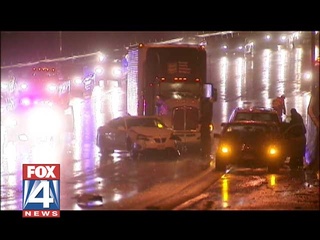
The raining season is here again!!!!!!  A rainy day can be refreshing. A walk in the rain can be romantic. Driving in the rain, however, can be quite dangerous so avoid it if you can. You may be a very safe driver, driving defensively and obeying all traffic laws but what about the drivers around you? If you have to drive on a rainy day, keep your trips to a minimum to reduce your chances of being involved in a collision. Before driving, check traffic reports to see if your route is affected by flooding, traffic collisions or road closures.

Here are some more helpful tips for rainy day driving:


  • First and foremost: slow down! It takes longer to stop or adjust in wet weather.
  • Stay toward the middle lanes - water tends to pool in the outside lanes.
  • Maintain proper following distance (3 Second Rule). This needs to be increased in wet weather.
  • Drive in the tracks of a car ahead of you.
  • Don't follow large trucks or busses too closely. The spray created by their large tires reduces your vision. Take care when passing them as well; if you must pass, do so quickly and safely.
  • Be more alert when driving in wet or slippery conditions. Watch out for brake lights in front of you.
  • Avoid using your brakes; if possible, take your foot off the accelerator to slow down.
  • Turn your headlights on even in a light rain, or in gloomy, foggy or overcast conditions. Not only do they help you see the road, but they'll help other drivers see you. If your car has daytime running lights you still should put them on, so vehicles behind you can see you better.
  • Before it starts to rain, replace old or brittle wipers.
  • Avoid off-road driving: it's hard to judge the actual depth of puddles and you can easily become stuck, even in an SUV.
  • Never drive beyond the limits of visibility. At night rainy roads become especially treacherous. The glare of oncoming lights, amplified by the rain on your windscreen, can cause temporary loss of visibility while substantially increasing driver fatigue. In rainy conditions pedestrians, livestock, and wildlife are extremely hard to spot and even harder to avoid.
  • Never drive through moving water if you can't see the ground through it; your car could be swept off the road.
  • When driving through a puddle of uncertain depth, go slow. If it's deeper than the bottom of your doors, turn around and find another route. Deep water can cause serious damage to a modern car's electrical system.
  • Avoid splashing pedestrians.
  • If possible, stay off the road during heavy thunderstorms. Large flashes of lightning can temporarily blind and disorient drivers, and the accompanying high winds and heavy rain can create deadly driving conditions.
  • Check the tread and inflation of your tires.  Properly maintained tires provide the added traction you will need on wet roads.


Monday, 8 April 2013

How can I find out what is the correct tyre size or tyre pressure for my vehicle?


Before now, we depended so much on information gotten from our road side Vulcanizer and it turned out their recommendation on tyre size and pressure especially were not always accurate.

So to get the correct tyre size or tyre pressure for your vehicle, we recommend you look in your drivers’ manual or you may have a sticker on the driver’s side door or sill.


NOTE: it is very important to stick to your car’s original tyre size. In a lot of cases these tyres have been selected specifically for your car because their characteristics complement the performance of the vehicle. So If you are having trouble finding your exact size please call us on 07011311444


Sunday, 7 April 2013

KEEP YOUR TYRE BALANCE FOR LONGER LIFE


What Is a Wheel Balance?


A tyre is out of balance when one section of the tyre is heavier than the others. A wheel balance redistributes weight around the tyre to extend life of your tyres, increase performance and increase your vehicle's safety. The first sign that your wheels may be out of balance is when your steering wheel starts to wobble above a certain speed.


Balancing helps prevent premature wear of your tyres and eliminates vibration. It also protects the suspension, steering system and bearings of your vehicle. Have your wheels balanced when a tyre is replaced, a balance weight is moved or removed, or you purchase new tyres. You’ll know a wheel is out of balance when one area is heavier or lighter than the rest. This will cause:
  • Uneven and rapid tread wear
  • Vibration
  • More stress on front-end parts
  • Front-end parts to wear prematurely

To balance a wheel, a tyre service expert will mount it on a balancing machine that spins the tyre and wheel to locate the heavier part, which will then be compensated for by attaching a weight on the opposite side.


So simply, wheel balancing ensures that your tyres and wheels do not have a heavy spot that may cause vibration and premature tyre wear. When combined with a wheel alignment, balanced wheels ensure a smooth ride, maximum tread life and increased vehicle performance.


If you need help locating a good tyre service center, call 07011311444 and we shall direct you to where you can get your wheels balanced

Tuesday, 2 April 2013

WHAT CAUSES SIDEWALL BULGE IN TYRES?


The underlying cause of a tyre bulge formation is the separation of layers of material – plies and rubber  in the sidewall of a tyre. You may already know that a tyre is constructed by layering hundreds of polyester cords or other strong materials (also known as plies) with layers of rubber, sometime cemented together by bonding materials like glue. The rubber layers hold the air in the tyre while the plies provide structure, shape, and strength to the tyre under pressure. Since the durability of a tyre is dependent upon the bonding strength between these component layers, a loss of bonding strength can lead to ply or layer separation. Loss of bonding strength and separation can be caused by several factors, among which are:

• Contamination of components or other defects during manufacturing (a rare occurrence)
• Under inflation or over loading of the tyre (more common – depends on the driver)
• Tire damage caused by road hazards such as striking the curb or hitting a pothole (most common – often the driver is unaware of the incident)

Any tyre that develops a bulge (in the sidewall or the tread) is not repairable. The internal structure has failed and the tyre itself is very likely to fail at some point.

Monday, 1 April 2013

2010-2012 Honda Accord Tyres


The new Honda Accord comes with 16 inches alloy wheels that make the look more robust and attractive. The all new Honda Accord also comes with puncture proof tubeless tyres for a hassle free journey. The tyre size is 215 / 60 R16 Radial Tubeless, which is sufficient in controlling this big size Honda Accord in case of off-roading. This tyre size is also of great help in slippery road and minimizes the chances of skidding.

If you drive a Honda Accord and need good tyres for your car, call 07011311444